

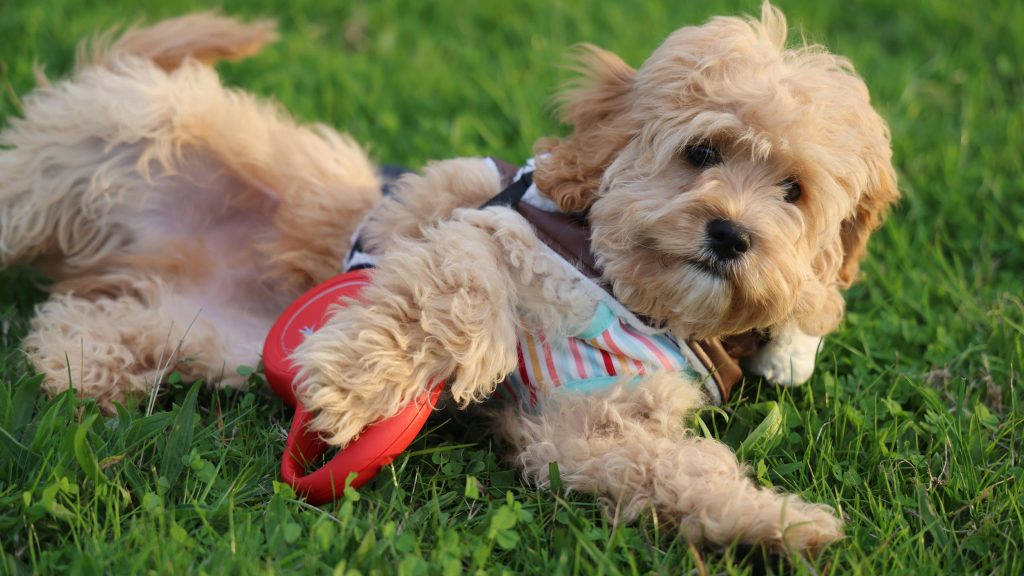
The Cockapoo is a delightful mixed breed, known for its friendly personality and adorable looks. A cross between the Cocker Spaniel and the Poodle, this hybrid dog inherits the best traits of both breeds. Affectionate, intelligent, and playful, Cockapoos are great companions for families and individuals alike. Their friendly disposition makes them ideal pets for those looking for a loyal and loving dog.
Cockapoos are also known for their low-shedding coats, which make them a good choice for those with allergies. They are highly trainable, eager to please, and enjoy being the center of attention. With the right care and attention, a Cockapoo can be a fun, loving, and well-behaved addition to any home.
Key Facts
- Size: Small to medium
- Group: Hybrid dog
- Lifespan: 12-16 years
- Coat: Curly or wavy, medium-length
- Temperament: Friendly, affectionate, intelligent, playful
- Noise level: Moderate
- Exercise needs: Moderate
- Training: Easy
- Grooming: High
- Sheds: Low
- Health: Generally good
Physical Characteristics
Size and Build
The Cockapoo is a small to medium-sized hybrid dog, with its size largely dependent on the type of Poodle used in breeding. Typically, they stand between 25-40 cm (10-16 inches) in height at the shoulder and weigh between 5-11 kg (12-25 lbs). Their compact and well-proportioned body gives them an athletic yet cuddly appearance. While their size varies, they generally have a light frame with a sturdy build, allowing them to be both energetic and adaptable to different living environments.
Coat and Texture
The Cockapoo’s coat is one of its most distinctive features, often appearing soft, wavy, or curly due to its Poodle heritage. The texture can range from loose waves to tight curls, but it is always medium in length. Their low-shedding coat makes them a popular choice for allergy sufferers. However, this hypoallergenic quality requires regular grooming to prevent matting and tangles.
Coat Colors
Cockapoos come in a wide variety of colors, inherited from both Cocker Spaniels and Poodles. Some of the most common shades include:
- Solid Colors:
- Black
- White
- Cream
- Apricot
- Red
- Chocolate
- Multicolored Patterns:
- Parti (two or more colors, often with white)
- Merle (marbled patches of color)
- Roan (even mix of colored and white hairs)
- Sable (black-tipped hairs over a lighter base)
- Phantom (dark base with lighter markings on the eyebrows, muzzle, chest, and legs)
Facial Features
The Cockapoo’s face is expressive and endearing, featuring round, dark eyes that radiate warmth and intelligence. Their black or brown noses are moist and shiny, often giving them an alert and curious expression. Their ears are floppy and feathered, hanging close to their cheeks, contributing to their charming teddy bear-like appearance. Some Cockapoos have a beard or mustache, which enhances their distinctive look.
Tail and Movement
Cockapoos typically have a medium-length tail, sometimes docked in certain regions, but naturally, it is feathery and slightly curved. Their graceful and energetic movement reflects their lively and playful temperament. With a springy gait, they appear light on their feet, making them agile and quick when running or playing.
Overall Appearance
A well-bred Cockapoo exudes an adorable and well-balanced look, combining the sturdiness of a Cocker Spaniel with the elegance of a Poodle. Their compact body, soft coat, and lively eyes make them an irresistibly charming breed. Their size, coat texture, and coloration can vary, but they always maintain an appealing and friendly demeanor that makes them stand out as a beloved companion breed.
Temperament and Personality
Friendly and Affectionate Nature
The Cockapoo is an exceptionally friendly and affectionate breed, known for its loving and loyal personality. They thrive on human companionship and form strong emotional bonds with their families. Their gentle and affectionate temperament makes them an excellent choice for families, singles, and seniors alike. They are also known for their sociability, making them great with children, other dogs, and even cats.
Intelligent and Easy to Train
With their high intelligence inherited from both the Poodle and Cocker Spaniel, Cockapoos are quick learners who respond well to positive reinforcement training methods. They are eager to please, making them one of the easiest hybrid breeds to train. They excel in obedience training, and their natural curiosity makes them responsive to commands and tricks. However, their sensitive nature means they do best with gentle and consistent training methods.
Playful and Energetic
Cockapoos are naturally playful and lively dogs, with a moderate to high energy level. They enjoy interactive games, including fetch, agility exercises, and puzzle toys that stimulate both their mind and body. They love spending time outdoors, whether going on walks, hikes, or playing in the yard. Their enthusiastic personality ensures they bring joy and entertainment to their owners.
Adaptability and Companionship
One of the Cockapoo’s greatest strengths is its adaptability. Whether living in a city apartment or a house with a garden, they adjust well to different living environments as long as they receive sufficient exercise and attention. They dislike being left alone for long periods and can develop separation anxiety if they lack companionship. They do best in homes where they receive regular interaction and affection.
Social and People-Oriented
Cockapoos have a naturally social personality, making them friendly toward strangers and visitors. Unlike some breeds that are aloof or reserved, they tend to be welcoming and eager to meet new people. Their non-aggressive nature makes them poor guard dogs, but their alertness and barking tendencies mean they will notify their owners of anything unusual.
Sensitivity and Emotional Intelligence
This breed is highly attuned to human emotions, often sensing their owner’s mood and providing comfort when needed. They make great therapy dogs due to their gentle, intuitive nature. Their emotional intelligence allows them to bond deeply with their families, creating a lifelong attachment to their owners.
Noise Levels and Barking Tendencies
While Cockapoos are not excessively loud, they have moderate barking tendencies, especially when they sense something unusual or want attention. They may bark when excited, bored, or alerting their owners to visitors. However, with proper training, their barking can be managed effectively.
Ideal Family Dog
Thanks to their affectionate and adaptable nature, Cockapoos are considered one of the best family-friendly dog breeds. They are gentle with children, social with other pets, and capable of forming deep emotional connections with their owners. Their loving, playful, and intelligent personality makes them a perfect companion dog for households looking for a loyal and friendly pet.
Exercise and Activity Needs
Energy Levels and Daily Exercise Requirements
The Cockapoo is a moderately energetic breed, requiring daily physical and mental stimulation to stay happy and healthy. While they are not as high-energy as some working or sporting breeds, they still need regular activity to prevent boredom and behavioral issues. A daily exercise routine of at least 45-60 minutes is recommended, which can be divided into multiple shorter sessions.
Cockapoos love interactive play, making them a great choice for active families, singles, or seniors who enjoy spending time outdoors. They adapt well to both city and rural living, as long as they receive enough stimulation and exercise.
Best Activities for a Cockapoo
To keep a Cockapoo physically fit and mentally engaged, owners should incorporate a variety of fun and stimulating activities into their routine:
- Daily Walks – At least two moderate walks per day to provide consistent exercise and socialization.
- Off-Leash Play – Running freely in a secure, fenced area allows them to burn off energy.
- Fetch and Tug-of-War – Games that engage their natural retrieving instincts while strengthening their bond with their owner.
- Agility Training – Obstacle courses and agility classes help challenge their intelligence and coordination.
- Swimming – Many Cockapoos enjoy water, making swimming an excellent low-impact exercise.
- Interactive Puzzle Toys – Mental stimulation is just as important as physical activity to prevent boredom.
- Dog Park Visits – Socializing with other dogs helps them develop confidence and proper canine manners.
Importance of Mental Stimulation
Because Cockapoos are highly intelligent, they require mental stimulation to prevent destructive behaviors caused by boredom. Activities like obedience training, puzzle toys, scent games, and interactive play can help keep their minds engaged. Without sufficient mental challenges, Cockapoos may become restless, anxious, or develop unwanted behaviors like excessive barking or chewing.
Adjusting Exercise to Age and Health
A Cockapoo’s exercise needs will vary depending on their age:
- Puppies (up to 12 months) – Shorter, gentler play sessions to protect their developing joints.
- Adults (1-8 years) – Consistent daily exercise, with a mix of physical and mental activities.
- Seniors (8+ years) – Reduced intensity but still requiring gentle walks and brain games to stay active.
A well-exercised Cockapoo is a happy, well-behaved companion that enjoys a healthy and balanced lifestyle.
Training and Intelligence
Intelligence and Learning Capabilities
The Cockapoo is an exceptionally intelligent and trainable breed, inheriting its high cognitive abilities from both the Poodle and Cocker Spaniel. This makes them quick learners who excel in obedience training, agility, and problem-solving tasks. Their eagerness to please and natural curiosity contribute to their trainability, making them a great choice for both first-time and experienced dog owners.
Positive Reinforcement Training
Cockapoos respond best to positive reinforcement methods, which include treats, praise, and affection. They are sensitive dogs, so harsh corrections or negative reinforcement can lead to fearfulness or anxiety. The key to successful training is consistency, patience, and creating a positive learning environment.
Essential Training Commands
To ensure a well-behaved Cockapoo, owners should focus on the following core training commands from an early age:
- Sit and Stay – Helps establish control and patience.
- Come – Crucial for recall, especially in off-leash settings.
- Leave It – Prevents unwanted chewing or eating of unsafe objects.
- Heel – Encourages polite leash walking.
- Quiet – Helps manage barking tendencies.
Best Training Methods for a Cockapoo
To achieve the best results in training, the following methods should be incorporated:
- Short, fun training sessions – Keep sessions 10-15 minutes long to maintain their interest.
- High-value treats – Use small, tasty rewards to reinforce good behavior.
- Clicker training – Helps mark correct actions and speeds up learning.
- Consistency – Using the same commands and rewards to reinforce expectations.
- Socialization – Introducing them to different people, environments, and other pets to develop confidence.
Common Training Challenges
Despite their intelligence, Cockapoos can sometimes be stubborn or distracted, particularly when they are overexcited or under-stimulated. Owners should address common training challenges such as:
- Jumping on people – Teaching “sit” instead of reinforcing jumping behavior.
- Separation anxiety – Gradual alone-time training to build independence.
- Barking – Rewarding quiet behavior and using redirection techniques.
Advanced Training and Activities
Once basic obedience is mastered, Cockapoos enjoy engaging in advanced training such as:
- Agility courses – Great for their intelligence and athleticism.
- Trick training – Learning fun commands like “roll over” and “spin”.
- Therapy dog certification – Their gentle and affectionate personality makes them ideal therapy dogs.
With the right approach, training a Cockapoo can be an enjoyable and rewarding experience, strengthening the bond between owner and dog.
Grooming and Maintenance
Coat Type and Grooming Needs
The Cockapoo’s coat is one of its most distinctive and desirable features, but it requires regular maintenance to stay clean and tangle-free. Their fur can range from loose waves to tight curls, and while they are low-shedding, their coat is prone to matting if not properly maintained.
Brushing Routine
To prevent knots and tangles, Cockapoos should be brushed at least 3-4 times per week. A slicker brush or comb is ideal for reaching the undercoat and removing loose hairs. For longer or curlier coats, daily brushing is highly recommended.
Bathing Requirements
Cockapoos should be bathed every 4-6 weeks using a gentle, hypoallergenic dog shampoo. Overbathing can strip the coat of its natural oils, leading to dryness and irritation.
Professional Grooming
Due to their fast-growing hair, most Cockapoos require professional grooming every 6-8 weeks. This includes:
- Trimming the coat to prevent excessive length.
- Cleaning and plucking ear hair to reduce infection risks.
- Nail trimming to maintain healthy paws.
- Sanitary trims to keep the hind area clean.
Eye and Ear Care
Cockapoos have floppy ears, making them prone to ear infections. Owners should:
- Check ears weekly for redness or odor.
- Wipe ears with a vet-approved solution to prevent wax buildup.
- Keep ear fur trimmed to allow better airflow.
Their eyes should be cleaned regularly, especially for lighter-colored Cockapoos that develop tear stains.
Dental Health
Cockapoos require regular dental care to prevent plaque buildup and gum disease. Owners should:
- Brush their teeth several times a week with dog-friendly toothpaste.
- Provide dental chews or toys for additional oral hygiene.
- Schedule annual dental check-ups with a vet.
Coat Maintenance Tips
To keep a Cockapoo’s coat healthy and manageable, owners should:
- Use a de-matting spray before brushing curly coats.
- Keep fur trimmed around the eyes and paws for hygiene.
- Check for burrs, dirt, or debris after outdoor activities.
Proper grooming ensures that a Cockapoo remains comfortable, clean, and looking its best, contributing to its overall health and well-being.
Health and Lifespan
General Health Overview
The Cockapoo is generally a healthy and robust hybrid breed, benefiting from the genetic diversity of its Cocker Spaniel and Poodle lineage. With proper care, they can live a long and active life, making them a popular choice for families and individuals. Their lifespan typically ranges between 12-16 years, but some well-cared-for Cockapoos have been known to live even longer.
While Cockapoos are relatively low-maintenance in terms of health, they are still susceptible to certain hereditary conditions inherited from both parent breeds. Regular veterinary check-ups, a balanced diet, and sufficient exercise all contribute to maintaining their overall well-being.
Common Health Concerns
Although Cockapoos are generally healthy dogs, they can develop breed-specific health conditions. Owners should be aware of the following potential health issues:
- Hip Dysplasia – A joint condition affecting mobility.
- Progressive Retinal Atrophy (PRA) – A degenerative eye disease that can lead to blindness.
- Ear Infections – Due to their floppy ears, they are prone to wax buildup and bacterial infections.
- Allergies – Can be triggered by food, environmental factors, or grooming products.
- Patellar Luxation – A condition where the kneecap dislocates, causing discomfort and lameness.
- Dental Issues – Small and medium-sized breeds are prone to plaque buildup and gum disease.
Preventative Care and Maintenance
To ensure a Cockapoo remains healthy throughout its life, owners should implement a preventative health care routine, including:
- Annual vet check-ups to monitor overall health.
- Proper nutrition with high-quality food to maintain optimal weight and energy levels.
- Regular dental care including brushing teeth and providing dental chews.
- Routine ear cleaning to prevent infections.
- Moderate exercise to support joint health without excessive strain.
Signs of a Healthy Cockapoo
A healthy Cockapoo will exhibit:
- Bright, clear eyes free of discharge.
- A shiny, soft coat without excessive shedding.
- Clean ears with no bad odor.
- A strong appetite and steady weight.
- Energetic behavior and enthusiasm for play.
By maintaining a consistent health routine, Cockapoos can enjoy a long and happy life with their owners.
Ideal Living Conditions and Environment
Space and Living Arrangements
The Cockapoo is a highly adaptable breed, capable of thriving in both apartments and houses. Their small to medium size allows them to fit comfortably in various home environments, as long as they receive sufficient exercise and mental stimulation.
Urban vs. Rural Living
- Apartment Living: Suitable as long as they receive daily walks and play sessions.
- Suburban Homes: Ideal, with access to a backyard for playtime.
- Rural Settings: They enjoy open spaces but should always be supervised outdoors.
Indoor vs. Outdoor Living
Cockapoos are companion dogs that should live indoors with their families. They are not suited to outdoor-only living, as they crave human interaction and warmth.
Climate Considerations
Cockapoos can adapt to different climates, but owners should take precautions:
- Cold weather: Their curly coat provides some insulation, but they may need a dog sweater in very low temperatures.
- Hot weather: They should have access to shade and fresh water to avoid overheating.
Household Compatibility
Cockapoos are well-suited for:
- Families with children – Their gentle and playful temperament makes them great with kids.
- Seniors and singles – Their moderate exercise needs and affectionate nature make them wonderful companions.
- Multi-pet households – They are sociable dogs that get along with other pets, including cats.
Alone Time and Separation Anxiety
Cockapoos form strong bonds with their owners, meaning they are prone to separation anxiety if left alone for long periods. To help them adjust:
- Train them gradually to be alone for short durations.
- Provide puzzle toys to keep them mentally engaged.
- Hire a dog walker or arrange for a pet sitter if away for extended hours.
By creating an ideal living environment, owners can ensure their Cockapoo remains happy, well-adjusted, and comfortable.
Adoption and Buying Tips
Choosing Between Adoption and Buying
When considering a Cockapoo, potential owners should explore both adoption and reputable breeders. Each option has its own benefits:
- Adoption – Rescuing a dog from a shelter provides a loving home to a dog in need.
- Buying from a breeder – Ensures a puppy with known lineage and health history.
Finding a Reputable Breeder
If purchasing a Cockapoo from a breeder, it is crucial to choose one that prioritizes the health and well-being of the puppies. A responsible breeder will:
- Provide health clearances for both parent breeds.
- Allow visits to see puppies in a clean, safe environment.
- Be knowledgeable about genetic health conditions.
- Ensure puppies are properly socialized before adoption.
Questions to Ask Before Adopting or Buying
Before bringing a Cockapoo home, ask the breeder or shelter:
- What is the puppy’s health history?
- Have the parents been tested for genetic conditions?
- What vaccinations and deworming have been done?
- How has the puppy been socialized?
- What is the recommended diet for this breed?
Costs and Financial Commitment
Owning a Cockapoo comes with financial responsibilities, including:
- Initial adoption or purchase cost
- Vaccinations and vet check-ups
- Grooming and coat maintenance
- Training and behavioral classes
- High-quality food and supplies
Preparing for a New Cockapoo
Before bringing a Cockapoo home, ensure you have:
- A comfortable bed and crate for resting.
- Food and water bowls suited to their size.
- Grooming supplies like brushes, shampoo, and nail clippers.
- Toys and enrichment activities to keep them engaged.
With careful planning, adopting or buying a Cockapoo can be a rewarding experience, bringing a loving and affectionate companion into your home.
Pros and Cons of Owning a Cockapoo
| Pros | Cons |
|---|---|
| Friendly and affectionate | Requires regular grooming |
| Great for families and singles | Prone to separation anxiety |
| Highly intelligent and trainable | Moderate barking tendencies |
| Low-shedding, hypoallergenic coat | Needs consistent mental stimulation |
| Adaptable to different living spaces | Can be stubborn at times |
| Good with children and other pets | May develop small dog syndrome if not trained properly |