

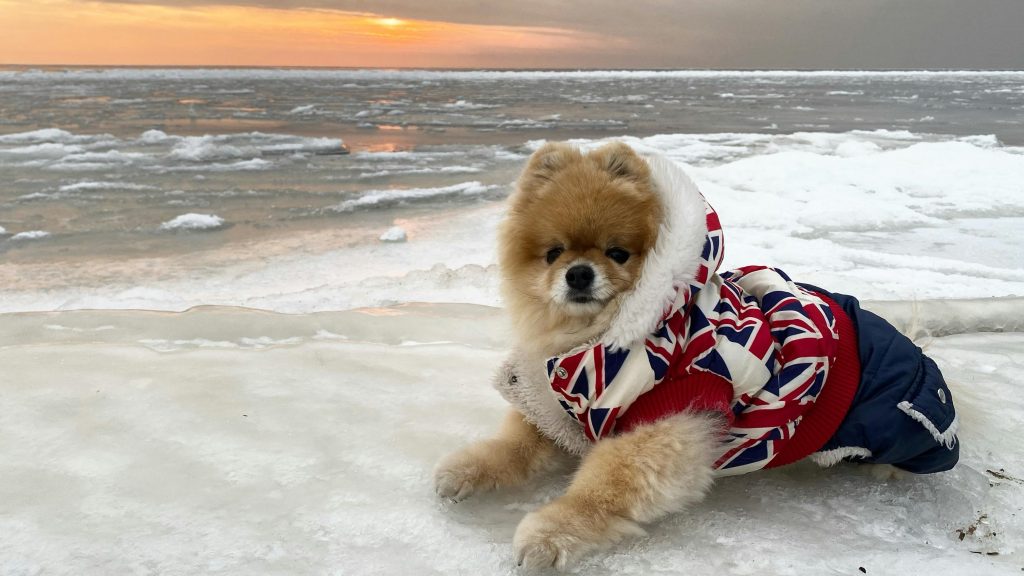
Winter brings harsh conditions that can be tough on your dog’s paws. Cold temperatures, ice, and road salt can cause dryness, cracking, and irritation, making every step uncomfortable. Without proper protection, your dog may experience paw injuries, infections, or chemical burns from de-icing products. Snow buildup between the toes can also lead to painful ice balls, increasing the risk of frostbite.
Keeping your dog’s paws safe during winter requires the right care and preventive measures. From paw balms and protective boots to simple post-walk routines, there are effective ways to shield their feet from the cold. Understanding the risks and choosing the best protection will help keep your dog comfortable and active, no matter how low the temperature drops.
Why Winter is Harsh on Your Dog’s Paws
Cold Temperatures and Frostbite Risks
During winter, freezing temperatures can take a serious toll on your dog’s paws, especially if they are exposed for extended periods. Unlike human feet protected by shoes, dog paw pads come into direct contact with icy sidewalks, snow-covered trails, and frozen ground, making them vulnerable to frostbite and numbness.
Frostbite occurs when extreme cold restricts blood flow to the extremities, causing skin and tissue damage. This is especially dangerous for small breeds, short-haired dogs, and senior dogs, who have less protection against the cold. Symptoms of frostbite on paws include:
- Discoloration of paw pads (turning pale, blue, or gray)
- Hard or brittle paw pads that may crack or peel
- Swelling and pain when touched
- Blisters or sores forming on the paws after exposure
If a dog experiences frostbite, their paw pads can become permanently damaged, leading to chronic sensitivity and discomfort. That’s why limiting outdoor time in extreme cold and using protective gear is essential.
Ice and Snow Buildup Between Paw Pads
Snow and ice stick to dog fur, especially on long-haired breeds, causing painful clumps to form between the toes. These frozen lumps can make walking uncomfortable and may lead to bruising, irritation, or even cuts on the sensitive skin between the paw pads.
Dogs that frequently walk or run in deep snow often develop ice balls between their toes, which can cause limping, licking, and discomfort. If left unchecked, these icy formations can create small wounds, making paws even more susceptible to infection and inflammation.
Regularly trimming the fur around the paws and checking between the toes after walks can help prevent snow accumulation and keep your dog’s paws healthy and comfortable.
Harmful Effects of Salt and De-icing Chemicals
Many cities and homeowners use salt and de-icers to keep roads, sidewalks, and driveways free of ice. While these products prevent slips and falls for humans, they can be toxic and harmful to dogs.
Common dangers of road salt and de-icers include:
- Chemical burns and irritation on paw pads
- Dryness and cracking, leading to open wounds
- Toxic ingestion if a dog licks its paws after walking through treated areas
Certain de-icing chemicals contain antifreeze compounds, which are highly toxic to dogs if ingested. Even small amounts can cause vomiting, diarrhea, seizures, and kidney damage. That’s why it’s crucial to clean your dog’s paws after every winter walk and avoid areas heavily treated with harsh chemicals.
How to Protect Your Dog’s Paws from Ice, Snow, and Salt
Limit Outdoor Exposure in Extreme Cold
Dogs should never be left outside for long periods when temperatures drop below 0°C (32°F), as frostbite and hypothermia can set in quickly. Short walks are best in extreme cold, and frequent breaks indoors will help prevent paw damage.
Monitor your dog’s behavior during walks—if they are lifting their paws frequently, licking at them, or showing signs of discomfort, it’s time to head inside.
Use Protective Dog Boots
One of the best ways to protect your dog’s paws is by using dog boots, which act as a barrier against cold surfaces, sharp ice, and toxic chemicals. Quality dog boots should be:
- Water-resistant or waterproof to keep paws dry
- Non-slip to provide traction on icy sidewalks
- Adjustable with secure straps to prevent slipping off
- Comfortable and flexible to allow natural movement
Some dogs take time to adjust to wearing boots, so introducing them indoors and rewarding with treats can help them get used to the feeling.
Apply Paw Balms and Moisturizers
Paw balms and protective waxes can help create a shield against ice, salt, and cold weather while keeping paw pads soft and hydrated. These moisturizing treatments help prevent:
- Cracks and dryness
- Irritation and burns from road salt
- Discomfort from rough terrain
Before heading outdoors, apply a thin layer of paw balm to create a protective barrier. Reapply after long walks, and always clean your dog’s paws first to remove any debris or chemicals.
Rinse and Dry Paws After Every Walk
To prevent chemical burns, infections, and irritation, it’s essential to wash your dog’s paws after every walk in winter. Use a warm, damp cloth or a shallow bowl of lukewarm water to:
- Remove salt, ice, and debris
- Prevent your dog from licking toxic substances
- Keep paw pads clean and healthy
Make sure to dry paws thoroughly, as damp fur and skin can contribute to frostbite and irritation.
Trim Paw Fur and Nails Regularly
Long fur around the paws can trap ice, snow, and chemicals, making it more likely for irritation and infections to occur. Regularly trimming the fur between the paw pads prevents snow buildup and makes winter walks more comfortable.
Additionally, keeping nails trimmed helps improve traction on slippery surfaces and prevents painful splaying of the toes.
Best Products for Winter Paw Care
Dog Boots for Maximum Protection
Investing in a high-quality pair of dog boots can make a world of difference in winter paw safety. Some of the best-reviewed options include:
- Ruffwear Grip Trex – Durable, all-terrain boots with excellent grip
- Muttluks Fleece-Lined Boots – Ideal for extreme cold, offering warmth and protection
- Pawz Waterproof Dog Boots – Disposable, flexible boots that provide a natural feel
- Ultra Paws Durable Boots – Great for traction and protection from salt
Paw Balms and Waxes
For dogs that dislike boots, paw balms and waxes are a great alternative to keep paw pads moisturized and protected. Top recommendations include:
- Musher’s Secret Paw Wax – Forms an invisible barrier against ice and salt
- Natural Dog Company Paw Soother – Helps heal cracks and dryness
- Pet Head Oatmeal Paw Butter – Gentle and hydrating for sensitive paws
Safe De-Icing Products for Pet Owners
If you need to de-ice your property, consider using pet-friendly de-icers that won’t harm your dog’s paws. Look for products labeled non-toxic and salt-free, such as:
- Safe Paw Ice Melter – Free from harmful chemicals, safe for pets and children
- Morton Safe-T-Pet Ice Melt – Salt-free formula designed for animal safety
- Green Gobbler Pet Safe Ice Melt – Environmentally friendly and non-corrosive
In conclusion, winter conditions pose serious risks to your dog’s paws, from freezing temperatures and sharp ice to salt and toxic de-icers. Without proper protection, exposure to these elements can cause cracks, burns, infections, and discomfort, making winter walks painful. To keep your dog safe and comfortable, use protective dog boots, apply paw balms, and rinse their paws after every walk. Trimming paw fur and choosing pet-safe de-icers further reduce risks. By taking these preventive measures, you can ensure your dog enjoys winter adventures without paw injuries or irritation.